Hollow sections
Hot-Formed Hollow Sections
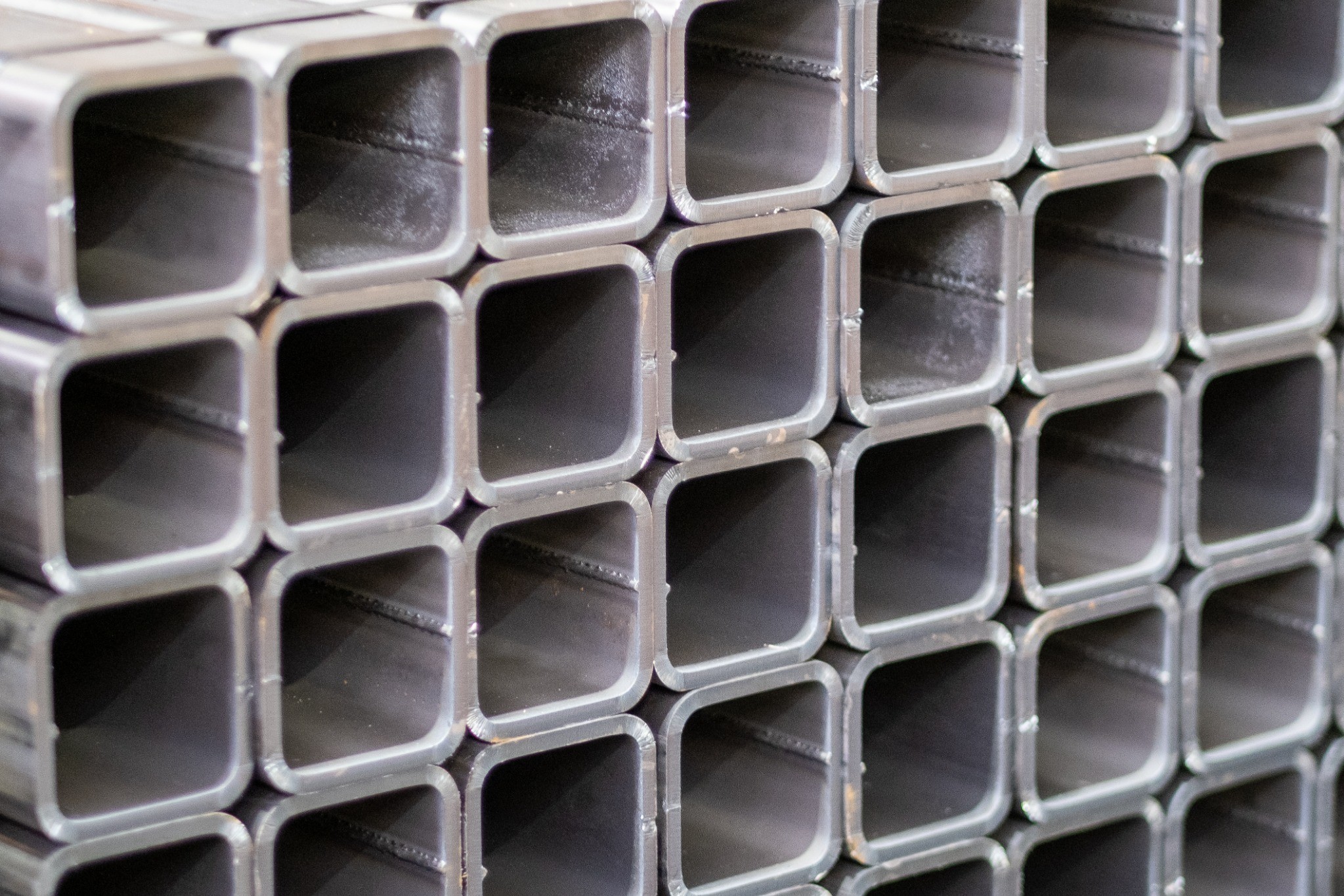
Where columns carry heavy loads and structures face dynamic stress, the way a section is made carries through to how it performs. Formed in the normalising temperature range, our hot-formed hollow sections to EN 10210 combine small corner radii with low residual stresses and a uniform fine-grained structure, in S355J2H and S355NH with an EN 10204 3.1 inspection certificate.
- Square
- ☐
- Rectangular
- ▭
03 - Hot-finished steel hollow sections
What are hot-finished hollow sections?
Hot-finished hollow sections are specified for structures in which mechanical properties, section geometry and behaviour under load, particularly dynamic load, are decisive. Depending on the manufacturing route, the section is either formed hot or formed cold and then heat-treated to reach the required properties.
Compared with cold-formed sections, they have a different corner geometry and a different distribution of residual stresses. Both can matter in structural calculations, especially for compression members, columns and heavily loaded structures.
A hot-finished section does not automatically carry more than a cold-formed one. Actual performance depends on the steel grade, wall thickness, section geometry and support conditions.

04 - Applications
Where hot-formed sections take the load
Their behaviour under load suits compression members and structures with complex loading patterns. Selected correctly, they serve demanding industrial and infrastructure projects.
- Load-bearing structures of buildings and industrial halls
- Columns, frames and heavily loaded structural members
- Infrastructure and transport structures
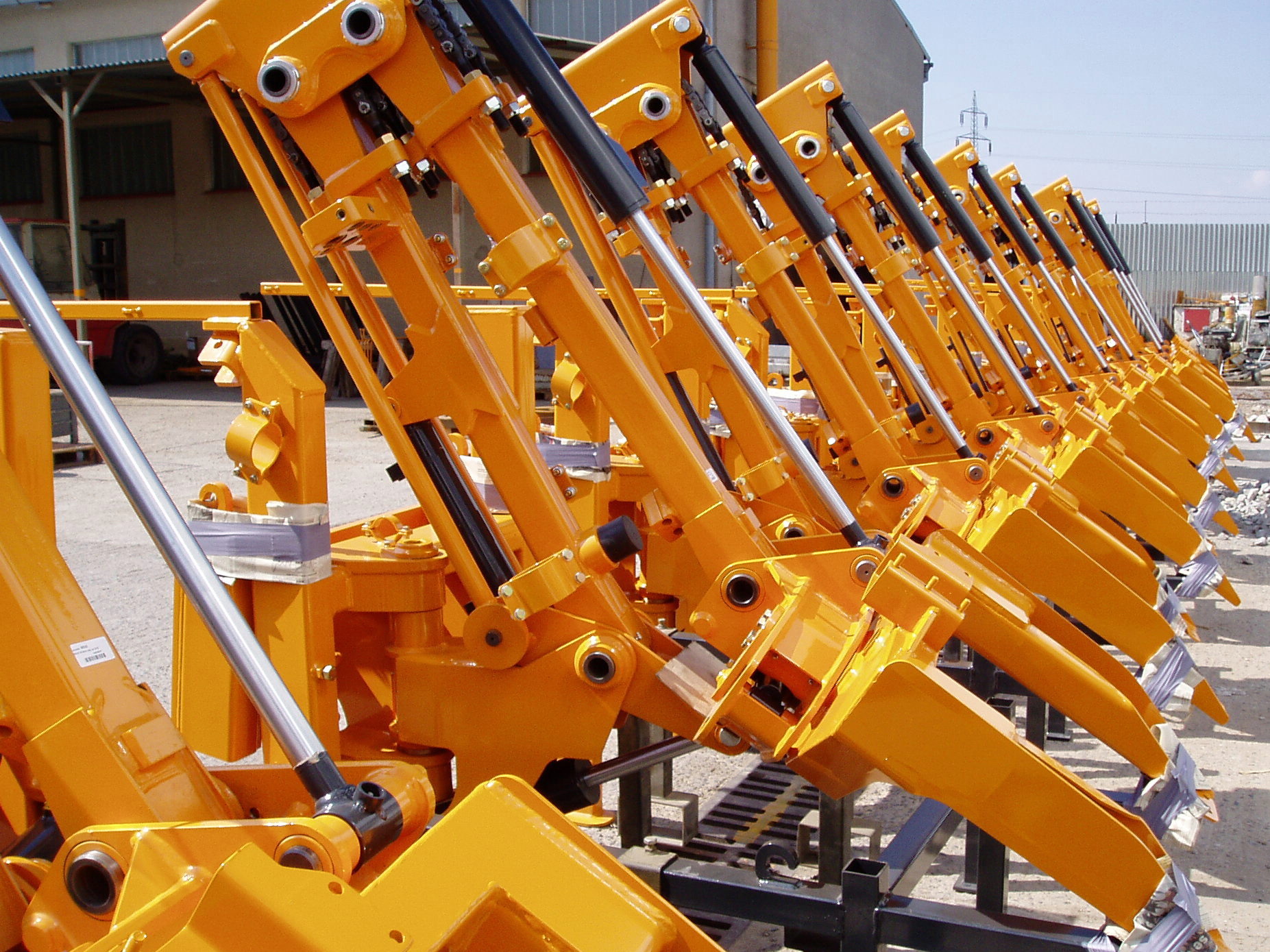
- Machinery and equipment
- Industrial structures under demanding service conditions