
Solutions for every building type
An office building is judged by how it performs over decades, a hotel by the view from the room and the quiet inside it, a school by whether the air in a full classroom still allows people to concentrate. Every building type places its own demands on windows, doors and façades: comfort, safety, durability, operating costs and architectural expression. That is why we structure our work around the building, not around the product. We start from the requirements of the project and its users, and work back to the systems, details and services that make the design buildable.
The building types we support
Each entry sets out what typically drives the envelope decisions in that type of project, and leads to the systems, services and reference projects behind it.
Office & admin
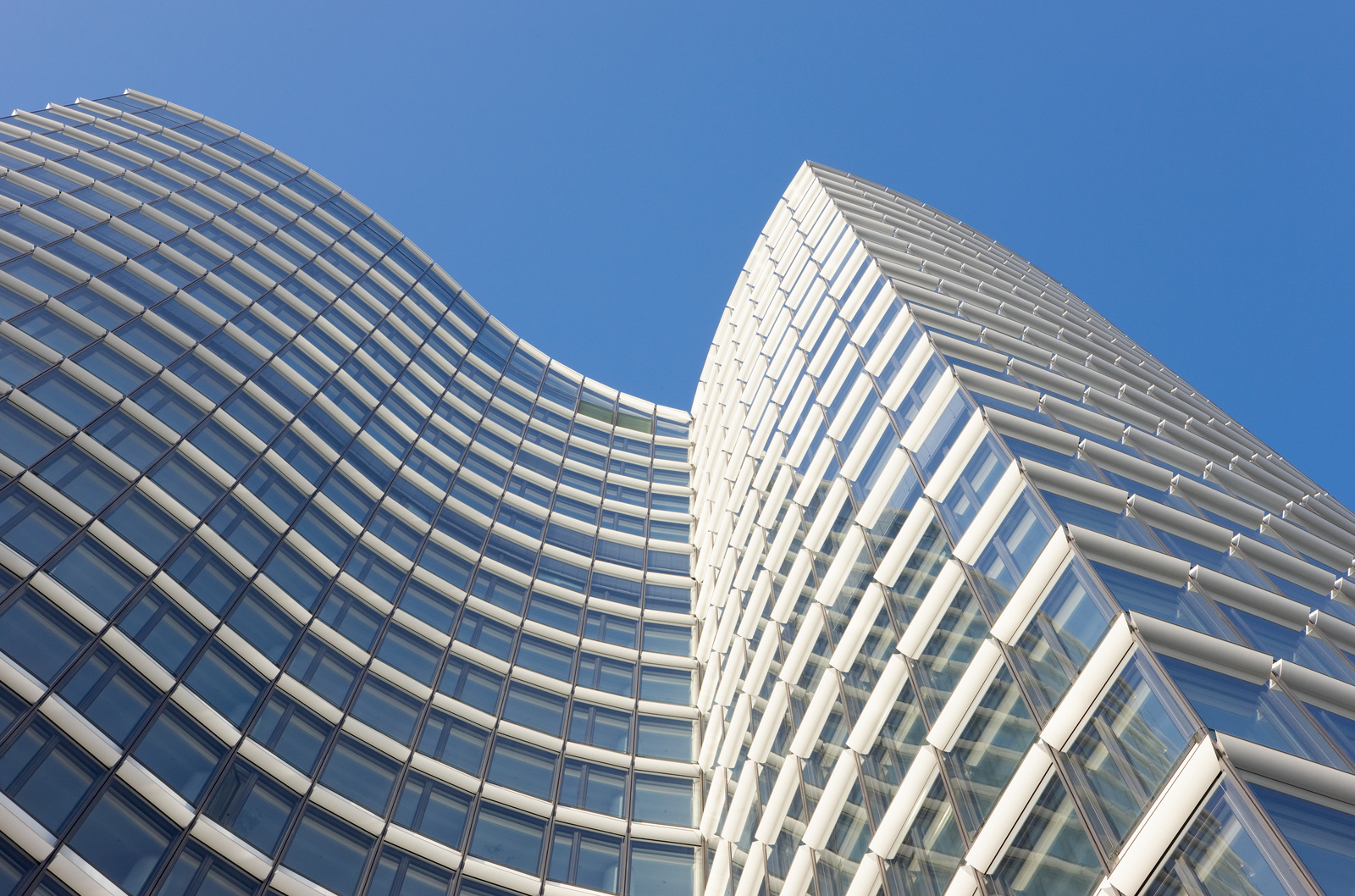
Office buildings, administrative headquarters and government buildings are judged over decades of use: by their energy performance, their indoor comfort and their flexibility when floor plans change. Large façade areas make the envelope one of the most decisive elements of the whole building.
What matters here:
- Daylight and glare control across large, repetitive façade areas
- Thermal and acoustic comfort at every workstation
- Energy demand in operation and interaction with building services
- Access control and controlled entrance situations

Private homes
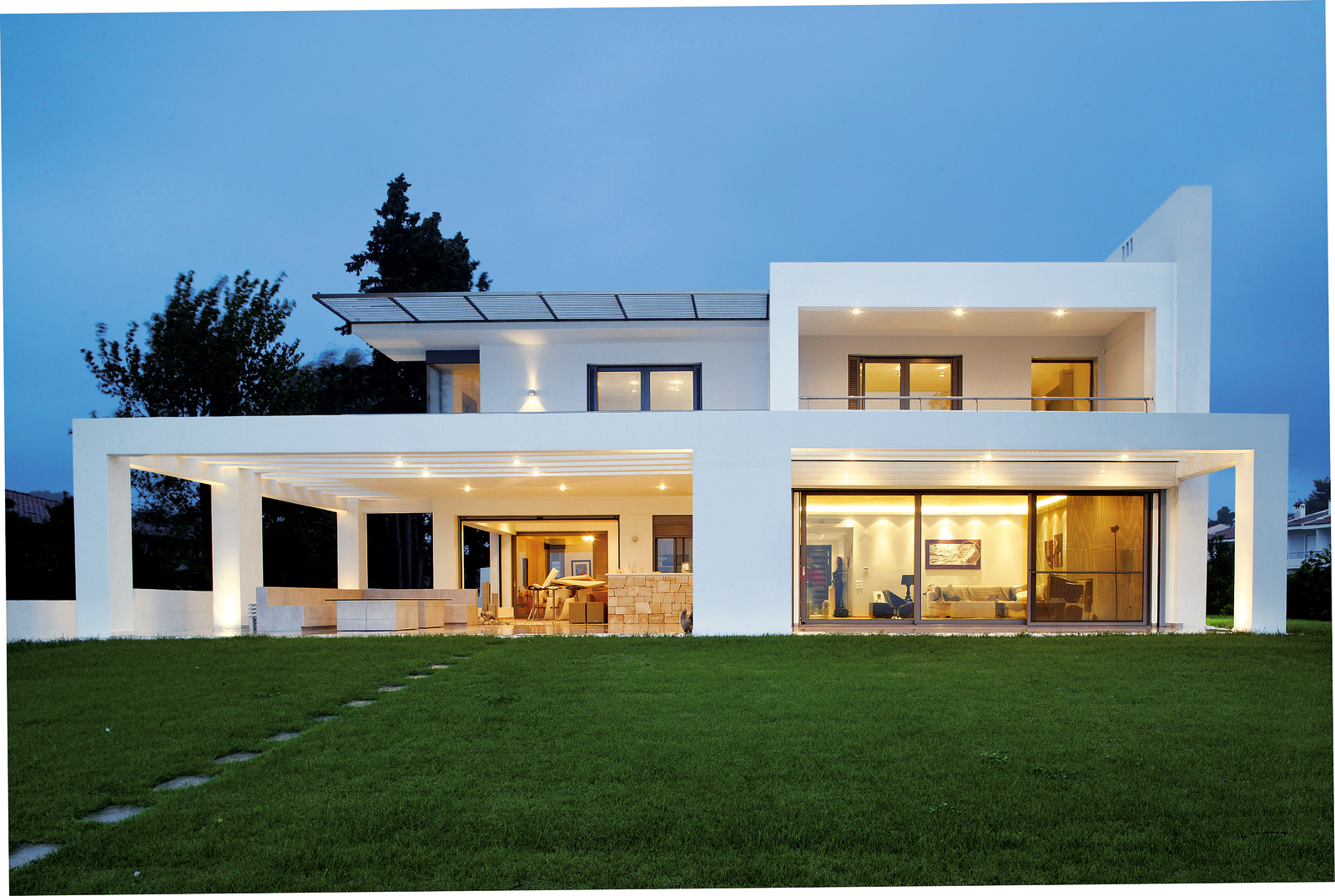
In detached houses, villas and holiday homes, the building envelope is architecture and living quality at the same time. Large, minimally framed openings connect interior and landscape, and still have to deliver on insulation, weather tightness and security.
What matters here:
- Large-format sliding and lift-and-slide elements with slim sightlines
- Thermal insulation and airtightness across the whole envelope
- Burglar resistance at ground-floor and terrace level
- Individual detailing, surfaces and colour concepts
Apartment buildings
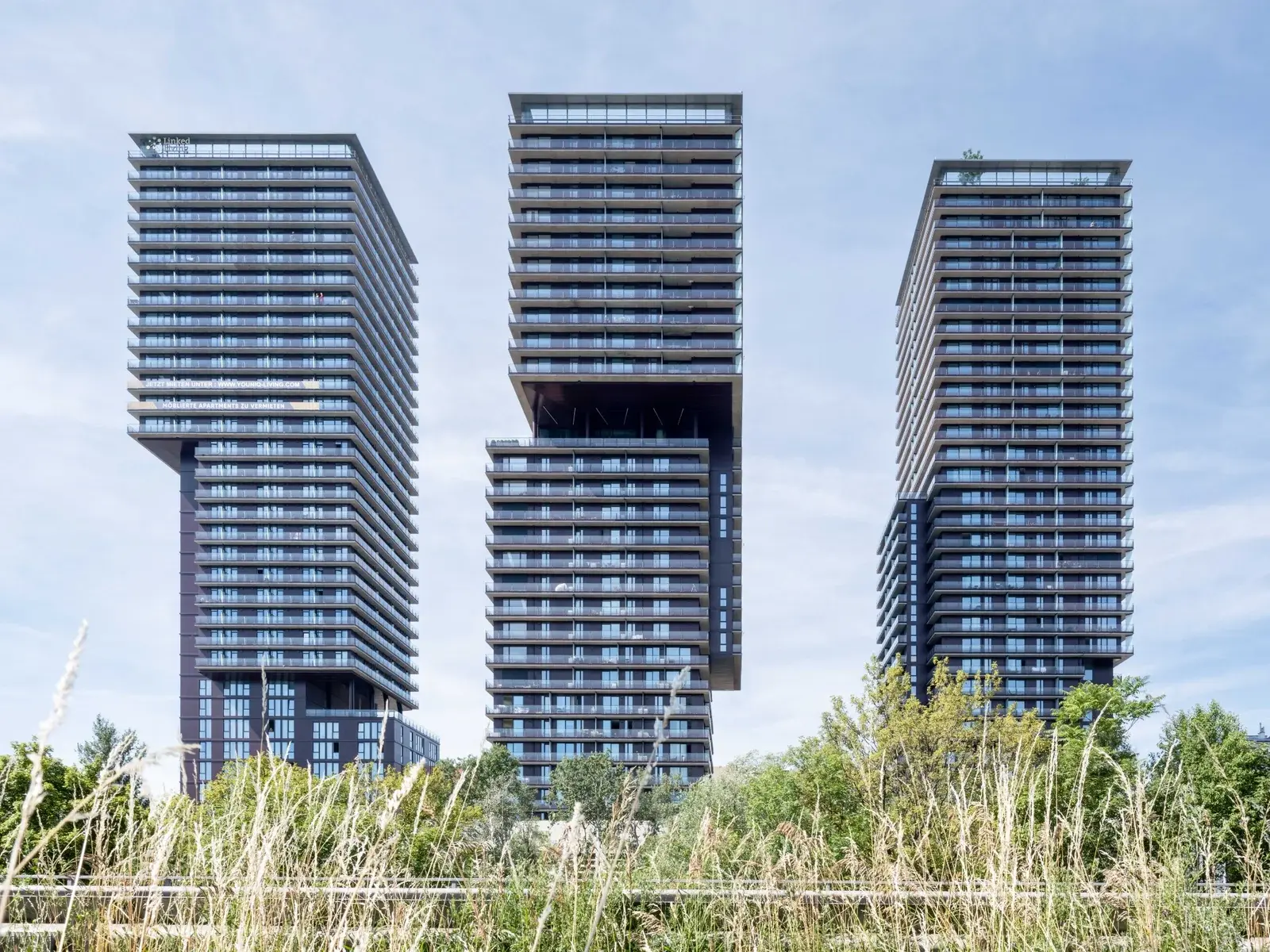
Multi-storey residential buildings combine two demands that are rarely easy to reconcile: a high number of repeated elements at controlled cost, and individual living comfort in every single unit. The detailing has to work as reliably on the hundredth element as on the first.
What matters here:
- Repeatable, buildable details across many identical units
- Sound insulation towards street and neighbouring units
- Balcony doors, loggias and balustrades within one system logic
- Fire and smoke protection requirements in circulation areas
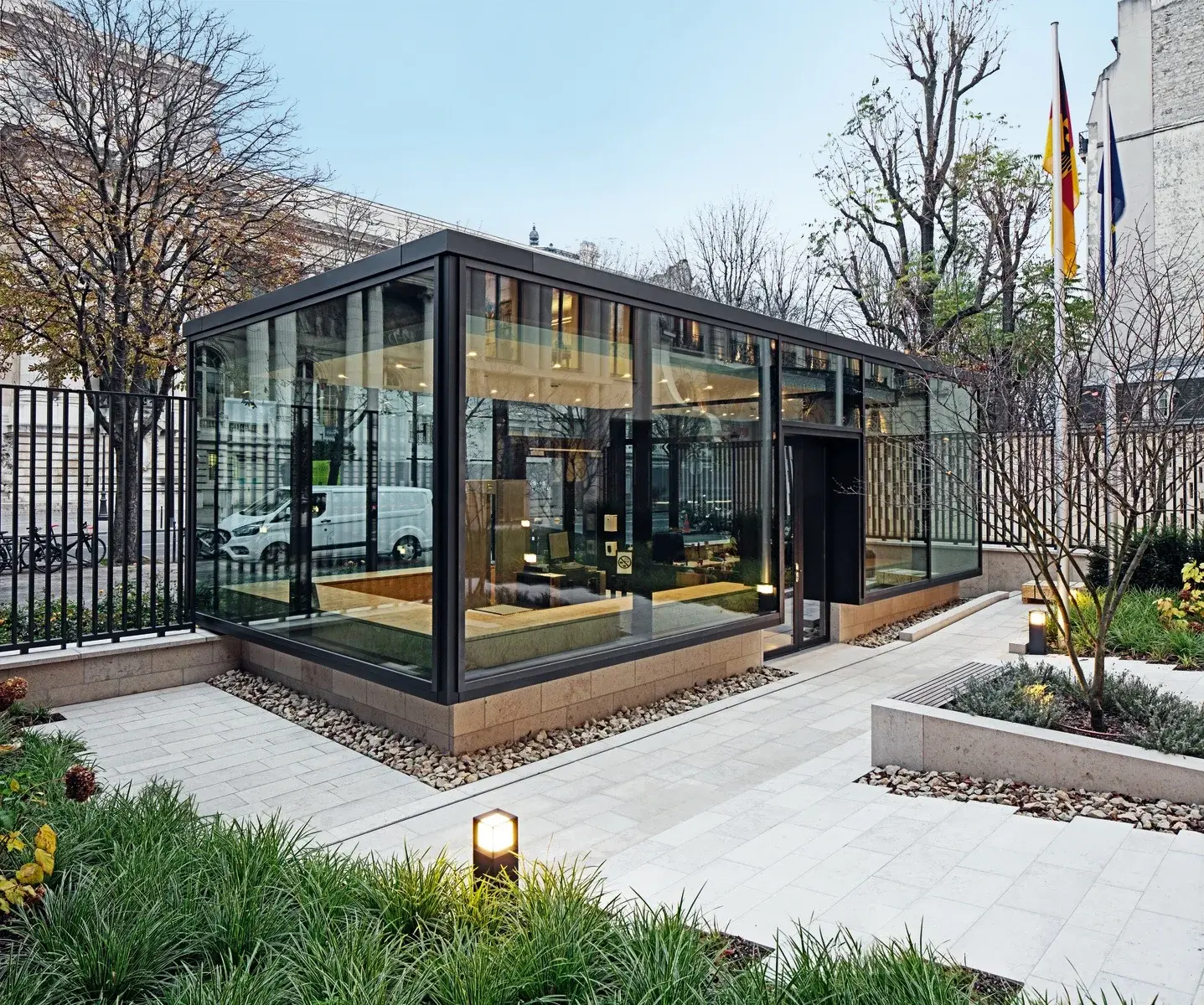
High security buildings
Banks, embassies, police stations or data centres have to combine tested resistance with an architecture that does not look defensive. Resistance classes, testing evidence and approved construction details determine what is possible, and they have to be defined early in the design process.
What matters here:
- Tested and certified resistance classes, defined project by project
- Protection requirements combined with open, customer-facing ground floors
- Consistent protection level across window, door and façade interfaces
- Access control, controlled entrances and monitored openings
- Complete documentation and technical evidence for approval
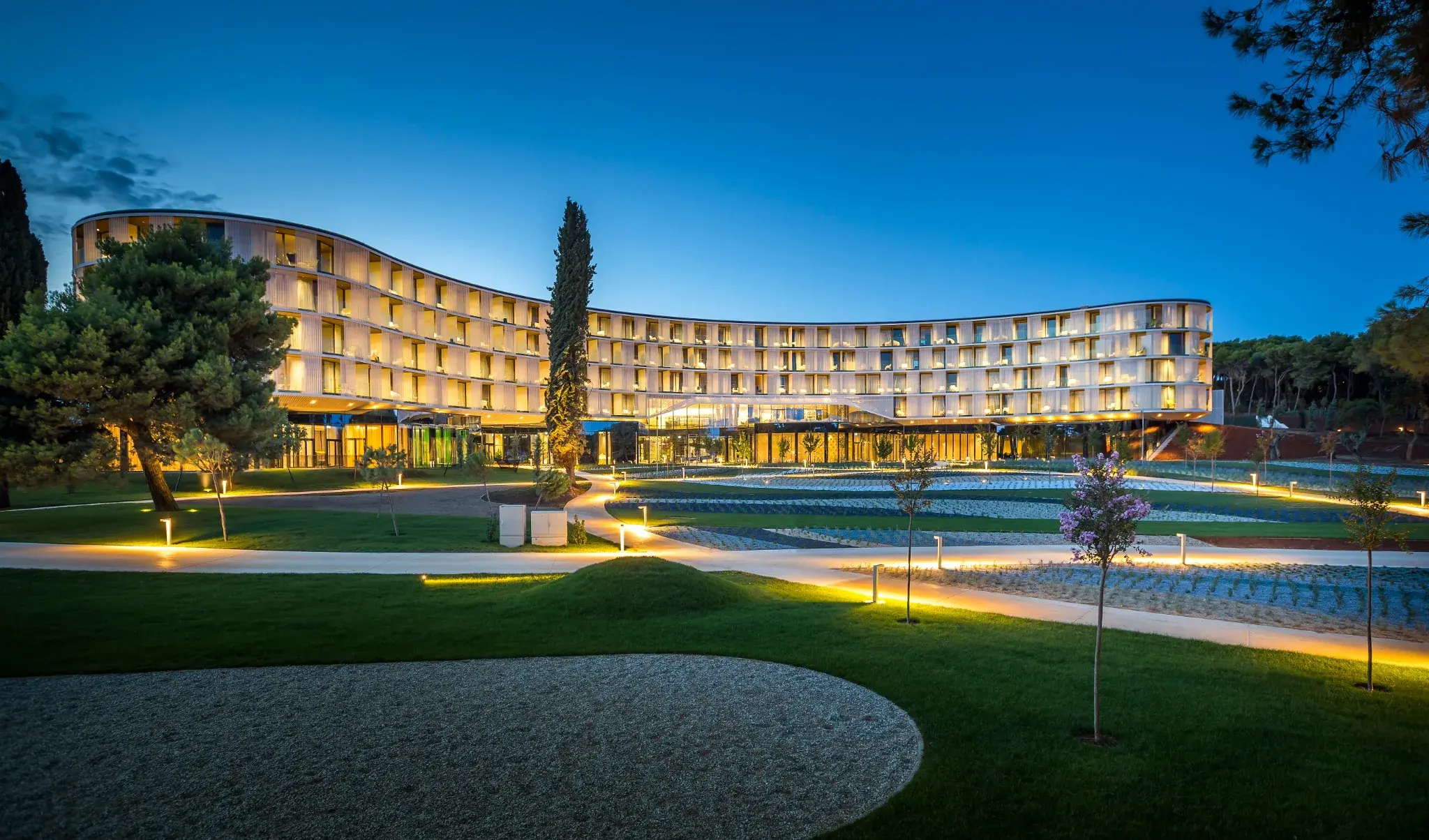
Hotels & restaurants
A hotel is remembered through its atmosphere: the quality of light, the framed view, the quiet, the ease of a sliding door that still runs smoothly after years of intensive use. In luxury and business hotels, boutique properties, resorts and restaurants alike, much of that experience is decided by details a guest will never consciously notice.
What matters here:
- Large sliding elements that stay smooth under intensive daily use
- Corrosion protection in coastal, pool and spa environments
- Acoustic separation between rooms, corridors and public areas
- Concealed detailing and clean surfaces as part of the guest experience
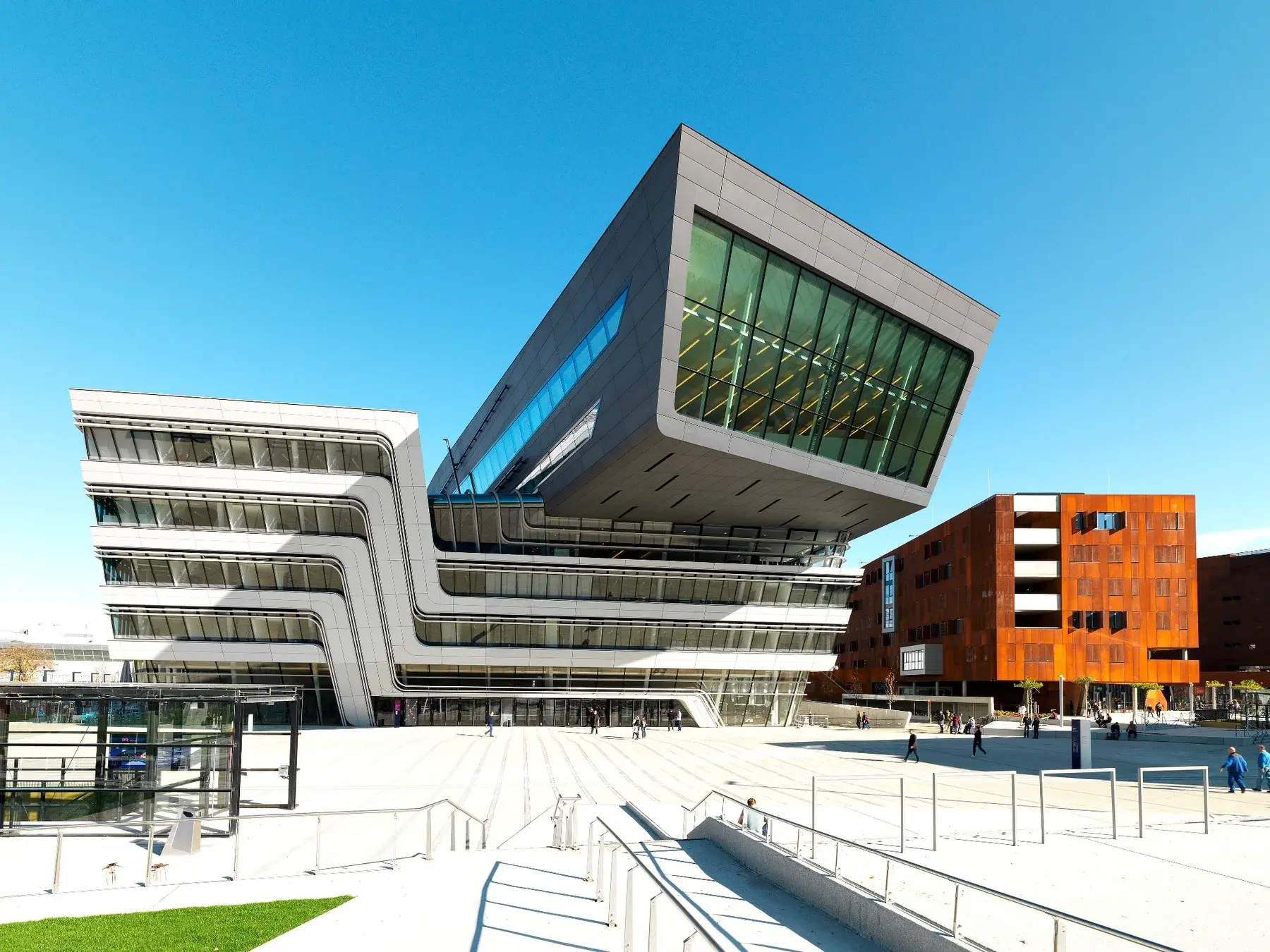
Education, health & research
Schools, hospitals and research buildings share a demanding brief: they are occupied intensively, by many people, over long periods, and the quality of the indoor environment has a direct effect on how people learn, work and recover. At the same time the envelope has to withstand years of heavy everyday use and strict hygiene and safety requirements.
What matters here:
- Daylight supply and glare control in classrooms and patient rooms
- Ventilation concepts and indoor air quality
- Hygiene requirements and easy-to-clean surfaces in clinical areas
- Robust hardware and surfaces for high-frequency use
- Specific requirements of laboratory and research environments
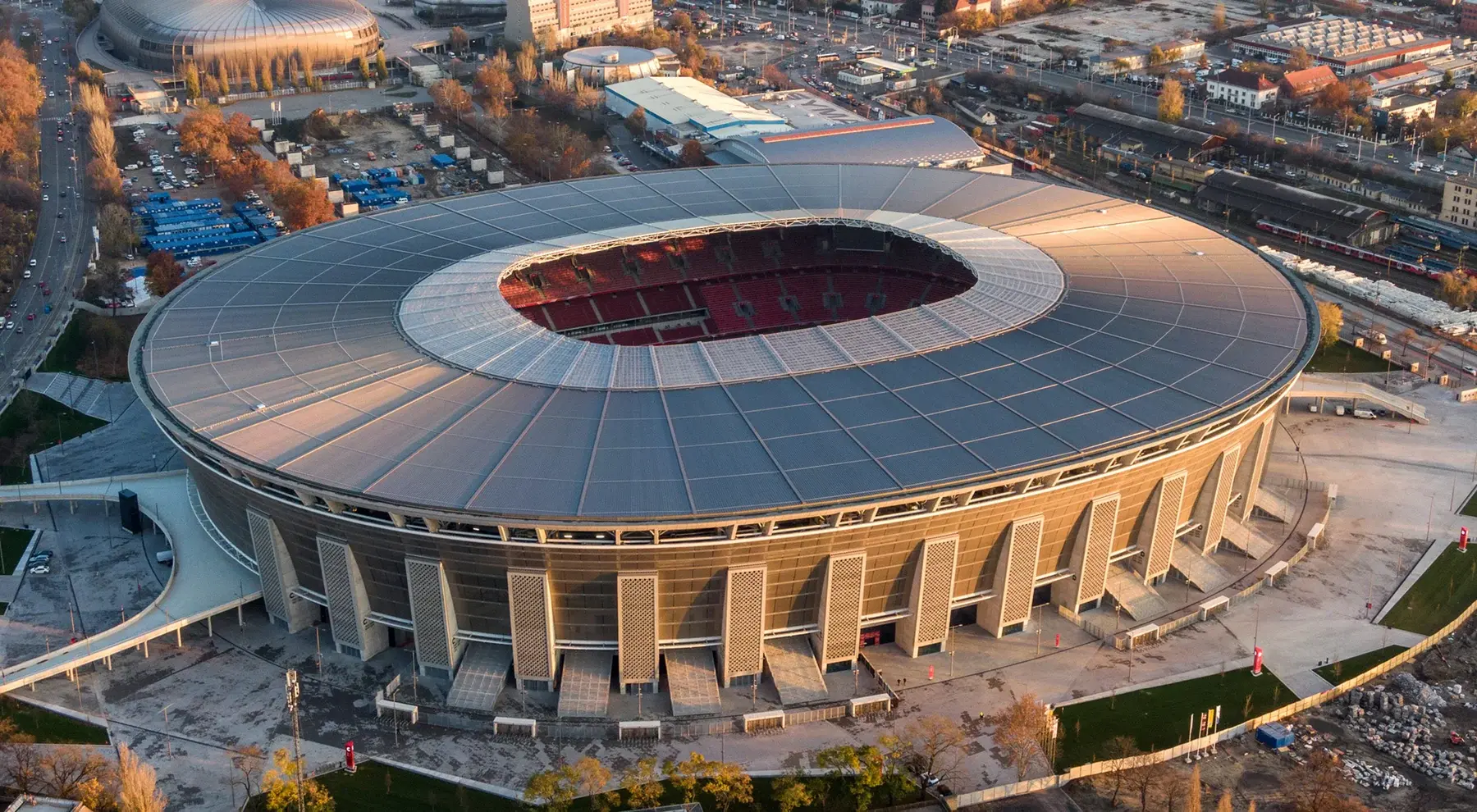
Culture & sports
Museums, concert halls, sports halls and swimming pools are buildings that gather large numbers of people around one shared experience. The architectural ambition is usually high, the spans are wide, and the interior climates behind the façade could hardly be more different from one another.
What matters here:
- Slim sightlines and large formats for demanding architectural concepts
- Controlled daylight in exhibition, performance and playing areas
- Acoustic separation between halls, foyers and public routes
- Humidity and corrosion loads in swimming pool and wellness areas
- Fire and smoke protection along foyers, halls and escape routes
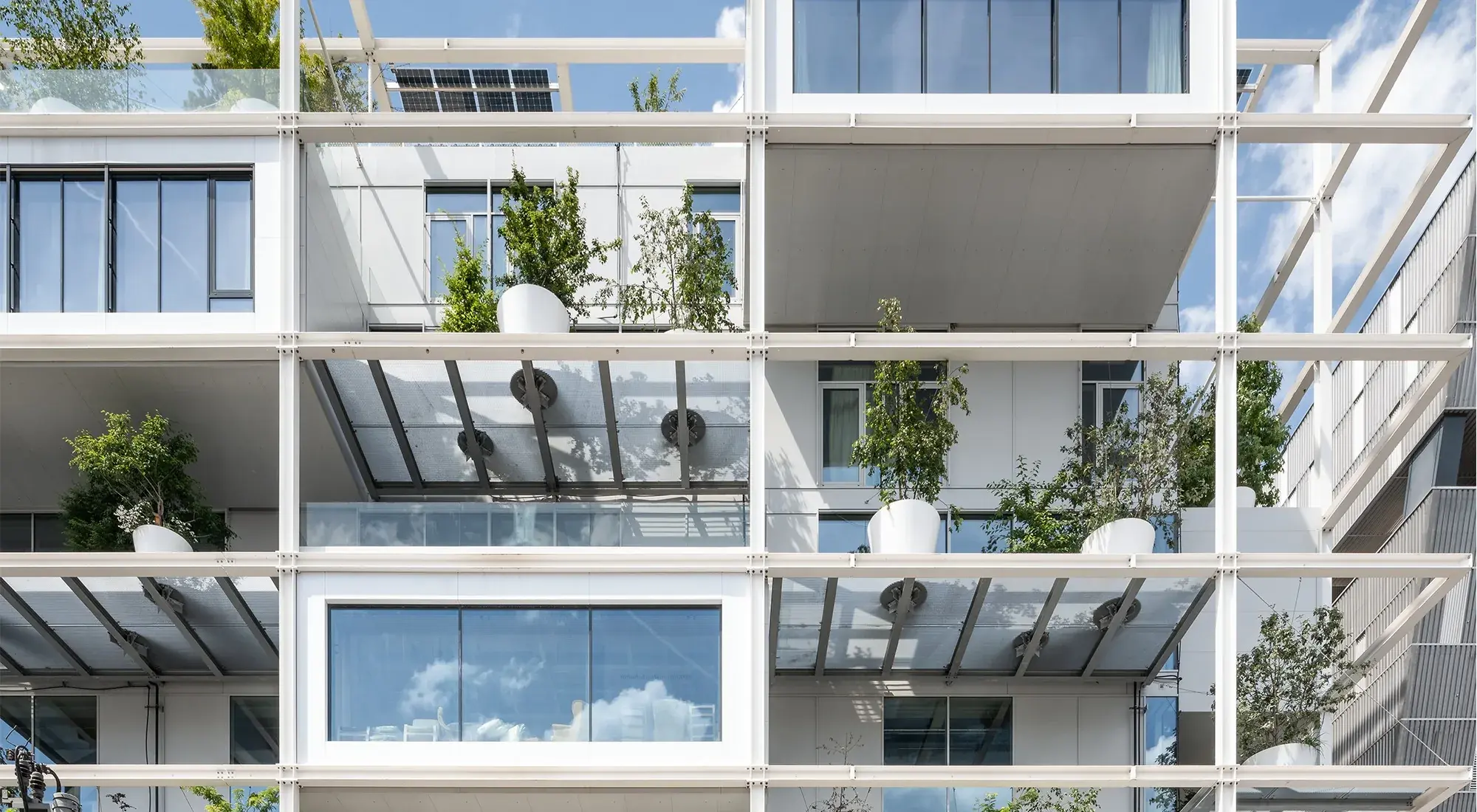
Retail & wholesale
In shopping centres, showrooms, car dealerships and specialist retail, architecture works with transparency: the façade is the shop window, and the entrance is a mechanical component that operates thousands of times a day. At the same time, operating costs and construction time are under constant pressure.
What matters here:
- Large transparent surfaces with a controlled view of the goods on display
- Entrance systems designed for very high frequency of use
- Burglar resistance and protection outside opening hours
- Predictable construction sequences and short installation times
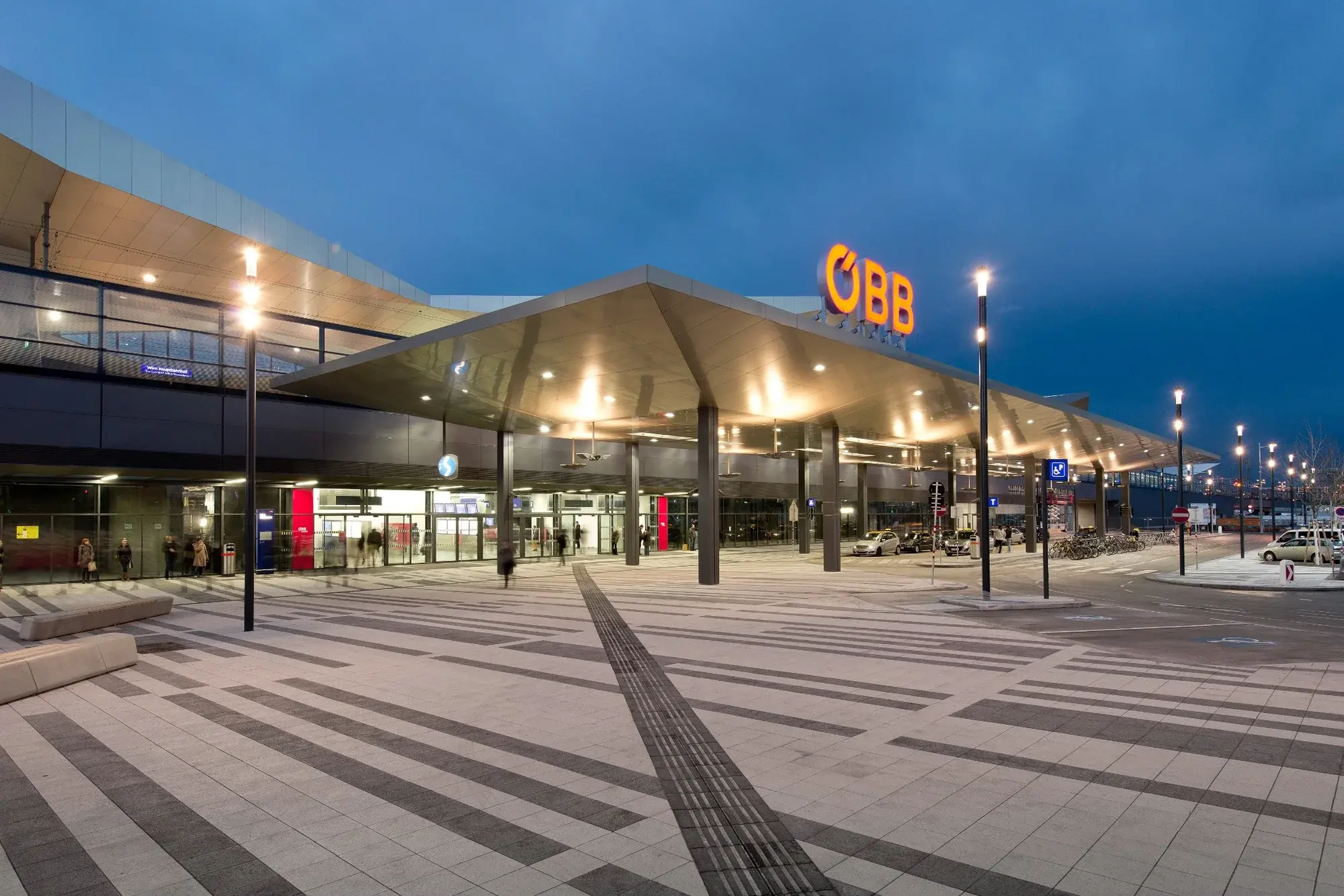
Transport & infrastructure
Airports and railway stations operate continuously and are used by very large numbers of people. Building envelopes here are engineering components: large spans, high loads, strict fire and smoke protection requirements, and a service life measured in decades of uninterrupted operation.
What matters here:
- Large spans and high structural loads in the façade
- Fire and smoke protection along escape and rescue routes
- Durability and maintainability under permanent public use
- Coordination with structural engineering and building services
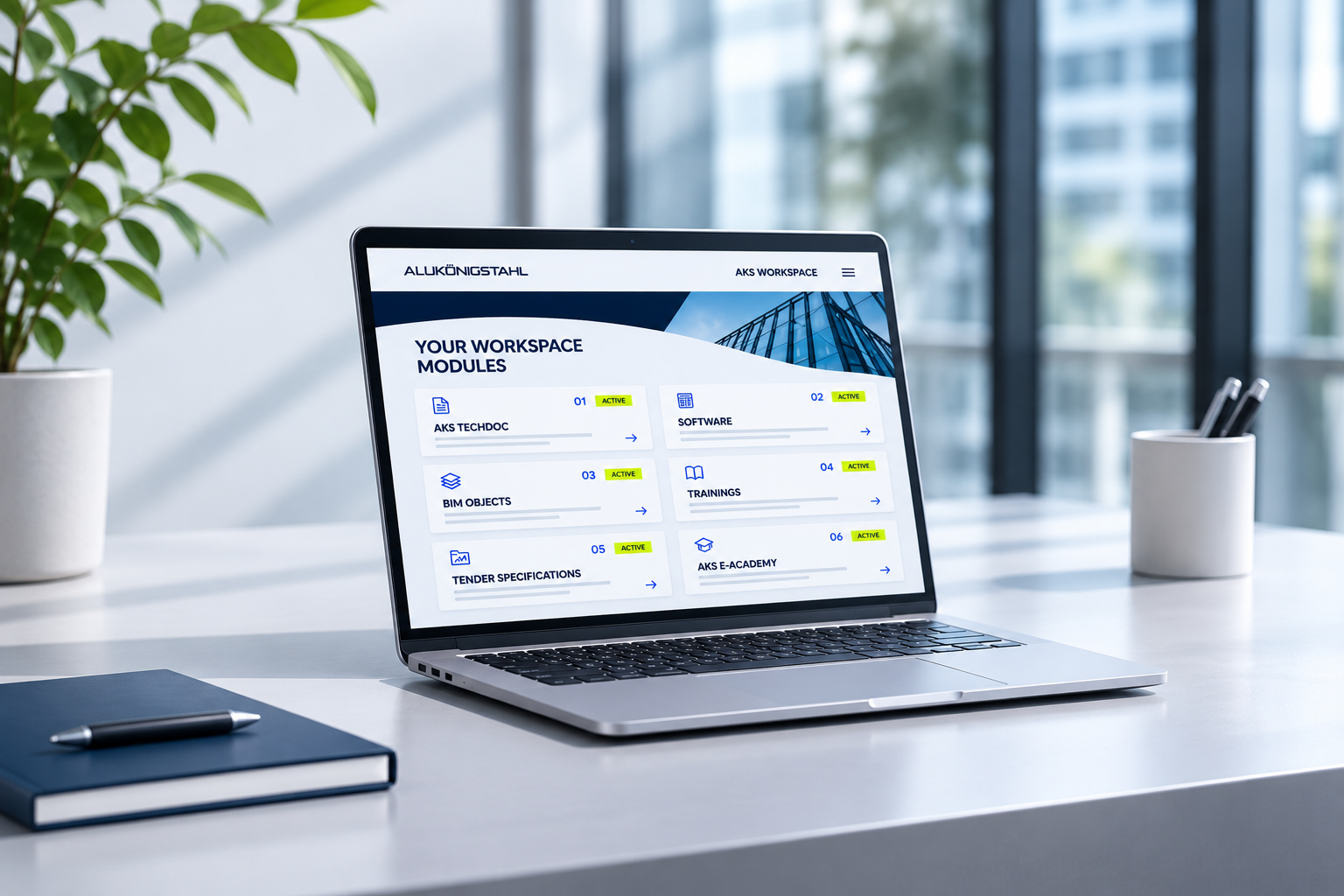
AKS Workspace
Your digital workspace. Everything in one place.
Access technical documentation, drawings, digital tools and valuable resources to support your daily work. All in one central platform, designed to make your projects easier and more efficient.
- AKS TechDoc
- Software access
- Training material